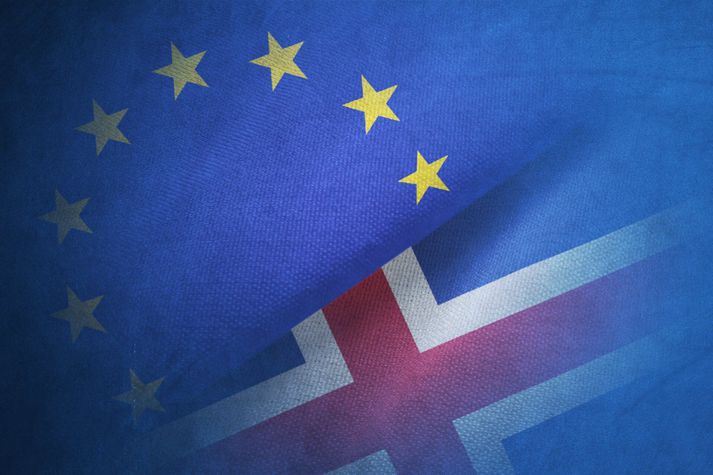





Referendum: What Is Path Dependence? Carl Baudenbacher skrifar 21. ágúst 2026 09:02 Path dependence is not an easy concept. A former human rights judge and a former foreign minister are plainly struggling with it. The Nobel Prize-winning economist Douglass North defined path dependence as the powerful influence of the past on present and future decisions. The longer a society lives under particular rules or forms of organization, the more familiar those arrangements become, the more effectively people learn to operate within them, and the more costly it becomes to move to a different system. Mental models and culture reinforce this effect. Informal habits, shared beliefs, and ideologies influence how people understand problems and evaluate new information, so established ways of thinking can become entrenched. Power relations matter too: groups that benefit from existing formal rules, such as laws or political structures, often have strong incentives to resist reforms that would weaken their position. In the EU question, path dependence would not arise because Icelanders, by voting Yes on 29 August 2026, would already be deciding to join the European Union. The vote concerns the question of whether Iceland should reopen accession negotiations; any subsequent accession agreement would have to be confirmed again by a vote. Yet exactly there lies the path-dependent effect: once negotiations are reopened, an institutional process emerges with its own logic, deadlines, expectations, expert networks, administrative routines, and international expectations of commitment. What is formally only a first step can politically become a track on which later decisions increasingly appear as follow-on decisions. Framing the Path A Yes would therefore, in all likelihood, alter structures of expectation. Parties, ministries, business associations, the media, and foreign actors would begin to orient themselves toward the possible endpoint of an accession process. In addition, the formidable propaganda machine of the European Union would come into play: information campaigns, institutional presence, expert papers, political contacts, and the constant message that the chosen path is rational, modern, and historically inevitable. This is framing: the question is no longer presented as whether Iceland should join the EU, but as whether Iceland is finally ready to take its natural place in Europe. Framing means defining the terms in which a question is perceived before it is actually decided. This would include visits by Commissioners and senior officials to Reykjavík, conferences with Icelandic ministries and universities, studies on the alleged economic advantages of accession, targeted media briefings, funding programmes for pro-European projects, exchange trips for journalists, entrepreneurs, and students, and the repeated portrayal of the EU as the only viable framework for prosperity, security, and international influence. Naturally, fearmongering about Donald Trump would play an even more prominent role than it already has: Icelanders would be told that only the shelter of the EU could offer protection against American unpredictability, geopolitical turbulence, and the supposed return of a world in which small states are helpless unless they submit to a larger bloc. We have already seen that the University of Iceland and the state broadcaster RÚV have a peculiar relationship with freedom of expression; for that reason, such institutions could, in a renewed accession process, function less as open forums for debate than as resonance chambers for a predetermined narrative. Embassies of individual member states, think tanks, business associations, and non-governmental organizations could also amplify this narrative and create the impression that Iceland is not facing an open political choice, but merely carrying out a historical necessity. Companies could align their strategies with a future European legal framework; the administration and diplomacy would devote resources to working through the negotiating chapters; political opponents would find themselves fighting against a process already under way. This is where North’s insight becomes visible: institutions consist not only of formal rules, but also of habits, perceptions, and coalitions of interest. Once these have re-formed, returning to the status quo ante becomes more difficult. Path dependence here therefore means this: a Yes would not be an endpoint, but it could restructure the space of possibilities. The political debate would shift from the question of “whether at all” to the question of “under what conditions.” The more time, expertise, diplomatic capital, and public expectations were invested in the negotiation process, the higher the political costs of breaking it off again would become. A reversible mandate could thus turn into a self-reinforcing process. Anyone who takes path dependence seriously must therefore recognize that the decisive effect does not begin only with formal EU accession, but already with the reopening of the institutional path leading there. Prof. Dr. iur. Dr. rer. pol. h.c. Carl Baudenbacher Baudenbacher Law AG, Lawyers & Advisors | Door Tenant Monckton Chambers | Visiting Professor London School of Economics | President of the EFTA Court 2003-2017 Viltu birta grein á Vísi? Kynntu þér reglur ritstjórnar um skoðanagreinar. Senda grein Skoðun: Þjóðaratkvæðagreiðsla um ESB-viðræður Mest lesið Slaufun, skautun, skömmun Örn Bárður Jónsson Skoðun Hvað segja hin 20.000 fyrirtækin? Andrés Magnússon,Hrund Rudolfsdóttir,Margrét Kristmannsdóttir Skoðun NEI! Atlaga að lýðræði og svipting kosningaréttar Magnús Jónsson Skoðun Verðbólgan er stærsti einstaki uppruni hagnaðar á Íslandi Egill Almar Ágústsson Skoðun Almenningur ákveður 29. ágúst hvort vextir verða 3–4% eða 8–9% og áhætta þjóðarinnar verði mikil eða lítil næstu 30 árin Baldur Pétursson Skoðun Að skilja, eða skilja ekki, umræðuna Lúðvík Bergvinsson Skoðun Grein fyrir óákveðna kjósendur og nei-sinna Magnea Marinósdóttir Skoðun „Vilja til að ganga í Evrópusambandið“ Hjörtur J. Guðmundsson Skoðun Fullveldi þjóðar og frelsi einstaklings Pétur B. Sveinsson Skoðun Er Marta Kos einnig að plata?.. en það má ekki plata Júlíus Valsson Skoðun Skoðun Skoðun Kerfislægt virðingarleysi – Þegar sparað er í velferð en verðmæti sameignar renna annað Sigurður Sigurðsson skrifar Skoðun Rífum í lóðin Karólína Helga Símonardóttir skrifar Skoðun Maðurinn einn er ei nema hálfur – með öðrum er hann meiri en hann sjálfur Kristín Bjarnadóttir skrifar Skoðun Slaufun, skautun, skömmun Örn Bárður Jónsson skrifar Skoðun When Path Dependence Becomes an Argument for Saying No Erna Bjarnadóttir skrifar Skoðun Grein fyrir óákveðna kjósendur og nei-sinna Magnea Marinósdóttir skrifar Skoðun Fullveldi þjóðar og frelsi einstaklings Pétur B. Sveinsson skrifar Skoðun „Vilja til að ganga í Evrópusambandið“ Hjörtur J. Guðmundsson skrifar Skoðun Almenningur ákveður 29. ágúst hvort vextir verða 3–4% eða 8–9% og áhætta þjóðarinnar verði mikil eða lítil næstu 30 árin Baldur Pétursson skrifar Skoðun Að skilja, eða skilja ekki, umræðuna Lúðvík Bergvinsson skrifar Skoðun NEI! Atlaga að lýðræði og svipting kosningaréttar Magnús Jónsson skrifar Skoðun Verðbólgan er stærsti einstaki uppruni hagnaðar á Íslandi Egill Almar Ágústsson skrifar Skoðun Hvað segja hin 20.000 fyrirtækin? Andrés Magnússon,Hrund Rudolfsdóttir,Margrét Kristmannsdóttir skrifar Skoðun Síli veidd í skólpi Jónas Már Torfason ,Eydís Inga Valsdóttir skrifar Skoðun Er Marta Kos einnig að plata?.. en það má ekki plata Júlíus Valsson skrifar Skoðun Ég skil ekki nei fólk Einar Steinþórsson skrifar Skoðun Heildarkostnaður aðildarviðræðna gæti samsvarað 300–700 kr. á mann á mánuði Valur Þráinsson skrifar Skoðun Erfingjar og erfðarmál Guðmunda G. Guðmundsdóttir skrifar Skoðun Þögnin rofin Gunnar Salvarsson skrifar Skoðun Fullveldi, yfirþjóðlegar stofnanir og jafnræðisgrundvöllur í Evrópu Maximilian Conrad skrifar Skoðun Fimmtugt er ekki biðstofa Sigurður Árni Reynisson skrifar Skoðun Horfum á heildarmyndina – og til lengri tíma Kolbrún Halldórsdóttir skrifar Skoðun Hvar hefur 400.000 manna þjóð mest áhrif? Baldur Johnsen skrifar Skoðun Hvernig ákveður þjóð sig? - Samhygð á undanhaldi Davíð Brynjar Sigurjónsson skrifar Skoðun Siðferðiskirtillinn Jón Bragi Gunnlaugsson skrifar Skoðun Spörum milljarða Lárus Blöndal Sigurðsson skrifar Skoðun Drottningaviðtal – þegar ein rödd fær sviðið Kolbrún Áslaugar Baldursdóttir skrifar Skoðun Þegar náttúran verður okkur framandi Guðný Þorsteinsdóttir skrifar Skoðun Þurfum við kreatín og prótín sem bætiefni? Jóhanna Eyrún Torfadóttir,Dögg Guðmundsdóttir skrifar Skoðun Af hverju aðildarviðræður? Björn Leví Gunnarsson skrifar Sjá meira
Path dependence is not an easy concept. A former human rights judge and a former foreign minister are plainly struggling with it. The Nobel Prize-winning economist Douglass North defined path dependence as the powerful influence of the past on present and future decisions. The longer a society lives under particular rules or forms of organization, the more familiar those arrangements become, the more effectively people learn to operate within them, and the more costly it becomes to move to a different system. Mental models and culture reinforce this effect. Informal habits, shared beliefs, and ideologies influence how people understand problems and evaluate new information, so established ways of thinking can become entrenched. Power relations matter too: groups that benefit from existing formal rules, such as laws or political structures, often have strong incentives to resist reforms that would weaken their position. In the EU question, path dependence would not arise because Icelanders, by voting Yes on 29 August 2026, would already be deciding to join the European Union. The vote concerns the question of whether Iceland should reopen accession negotiations; any subsequent accession agreement would have to be confirmed again by a vote. Yet exactly there lies the path-dependent effect: once negotiations are reopened, an institutional process emerges with its own logic, deadlines, expectations, expert networks, administrative routines, and international expectations of commitment. What is formally only a first step can politically become a track on which later decisions increasingly appear as follow-on decisions. Framing the Path A Yes would therefore, in all likelihood, alter structures of expectation. Parties, ministries, business associations, the media, and foreign actors would begin to orient themselves toward the possible endpoint of an accession process. In addition, the formidable propaganda machine of the European Union would come into play: information campaigns, institutional presence, expert papers, political contacts, and the constant message that the chosen path is rational, modern, and historically inevitable. This is framing: the question is no longer presented as whether Iceland should join the EU, but as whether Iceland is finally ready to take its natural place in Europe. Framing means defining the terms in which a question is perceived before it is actually decided. This would include visits by Commissioners and senior officials to Reykjavík, conferences with Icelandic ministries and universities, studies on the alleged economic advantages of accession, targeted media briefings, funding programmes for pro-European projects, exchange trips for journalists, entrepreneurs, and students, and the repeated portrayal of the EU as the only viable framework for prosperity, security, and international influence. Naturally, fearmongering about Donald Trump would play an even more prominent role than it already has: Icelanders would be told that only the shelter of the EU could offer protection against American unpredictability, geopolitical turbulence, and the supposed return of a world in which small states are helpless unless they submit to a larger bloc. We have already seen that the University of Iceland and the state broadcaster RÚV have a peculiar relationship with freedom of expression; for that reason, such institutions could, in a renewed accession process, function less as open forums for debate than as resonance chambers for a predetermined narrative. Embassies of individual member states, think tanks, business associations, and non-governmental organizations could also amplify this narrative and create the impression that Iceland is not facing an open political choice, but merely carrying out a historical necessity. Companies could align their strategies with a future European legal framework; the administration and diplomacy would devote resources to working through the negotiating chapters; political opponents would find themselves fighting against a process already under way. This is where North’s insight becomes visible: institutions consist not only of formal rules, but also of habits, perceptions, and coalitions of interest. Once these have re-formed, returning to the status quo ante becomes more difficult. Path dependence here therefore means this: a Yes would not be an endpoint, but it could restructure the space of possibilities. The political debate would shift from the question of “whether at all” to the question of “under what conditions.” The more time, expertise, diplomatic capital, and public expectations were invested in the negotiation process, the higher the political costs of breaking it off again would become. A reversible mandate could thus turn into a self-reinforcing process. Anyone who takes path dependence seriously must therefore recognize that the decisive effect does not begin only with formal EU accession, but already with the reopening of the institutional path leading there. Prof. Dr. iur. Dr. rer. pol. h.c. Carl Baudenbacher Baudenbacher Law AG, Lawyers & Advisors | Door Tenant Monckton Chambers | Visiting Professor London School of Economics | President of the EFTA Court 2003-2017
Hvað segja hin 20.000 fyrirtækin? Andrés Magnússon,Hrund Rudolfsdóttir,Margrét Kristmannsdóttir Skoðun
Almenningur ákveður 29. ágúst hvort vextir verða 3–4% eða 8–9% og áhætta þjóðarinnar verði mikil eða lítil næstu 30 árin Baldur Pétursson Skoðun
Skoðun Kerfislægt virðingarleysi – Þegar sparað er í velferð en verðmæti sameignar renna annað Sigurður Sigurðsson skrifar
Skoðun Maðurinn einn er ei nema hálfur – með öðrum er hann meiri en hann sjálfur Kristín Bjarnadóttir skrifar
Skoðun Almenningur ákveður 29. ágúst hvort vextir verða 3–4% eða 8–9% og áhætta þjóðarinnar verði mikil eða lítil næstu 30 árin Baldur Pétursson skrifar
Skoðun Hvað segja hin 20.000 fyrirtækin? Andrés Magnússon,Hrund Rudolfsdóttir,Margrét Kristmannsdóttir skrifar
Skoðun Heildarkostnaður aðildarviðræðna gæti samsvarað 300–700 kr. á mann á mánuði Valur Þráinsson skrifar
Skoðun Fullveldi, yfirþjóðlegar stofnanir og jafnræðisgrundvöllur í Evrópu Maximilian Conrad skrifar
Skoðun Þurfum við kreatín og prótín sem bætiefni? Jóhanna Eyrún Torfadóttir,Dögg Guðmundsdóttir skrifar
Hvað segja hin 20.000 fyrirtækin? Andrés Magnússon,Hrund Rudolfsdóttir,Margrét Kristmannsdóttir Skoðun
Almenningur ákveður 29. ágúst hvort vextir verða 3–4% eða 8–9% og áhætta þjóðarinnar verði mikil eða lítil næstu 30 árin Baldur Pétursson Skoðun